

A layer of plastic film (such as polyester or polyamide) is laminated on the surface of standard plywood through hot or cold pressing. This process enhances the board’s resistance to moisture, wear, and chemical corrosion.
Veneer Plywood:
Made by bonding multiple layers of wood veneers with the grain of each layer perpendicular to the next. This cross-laminated structure provides high strength and dimensional stability.
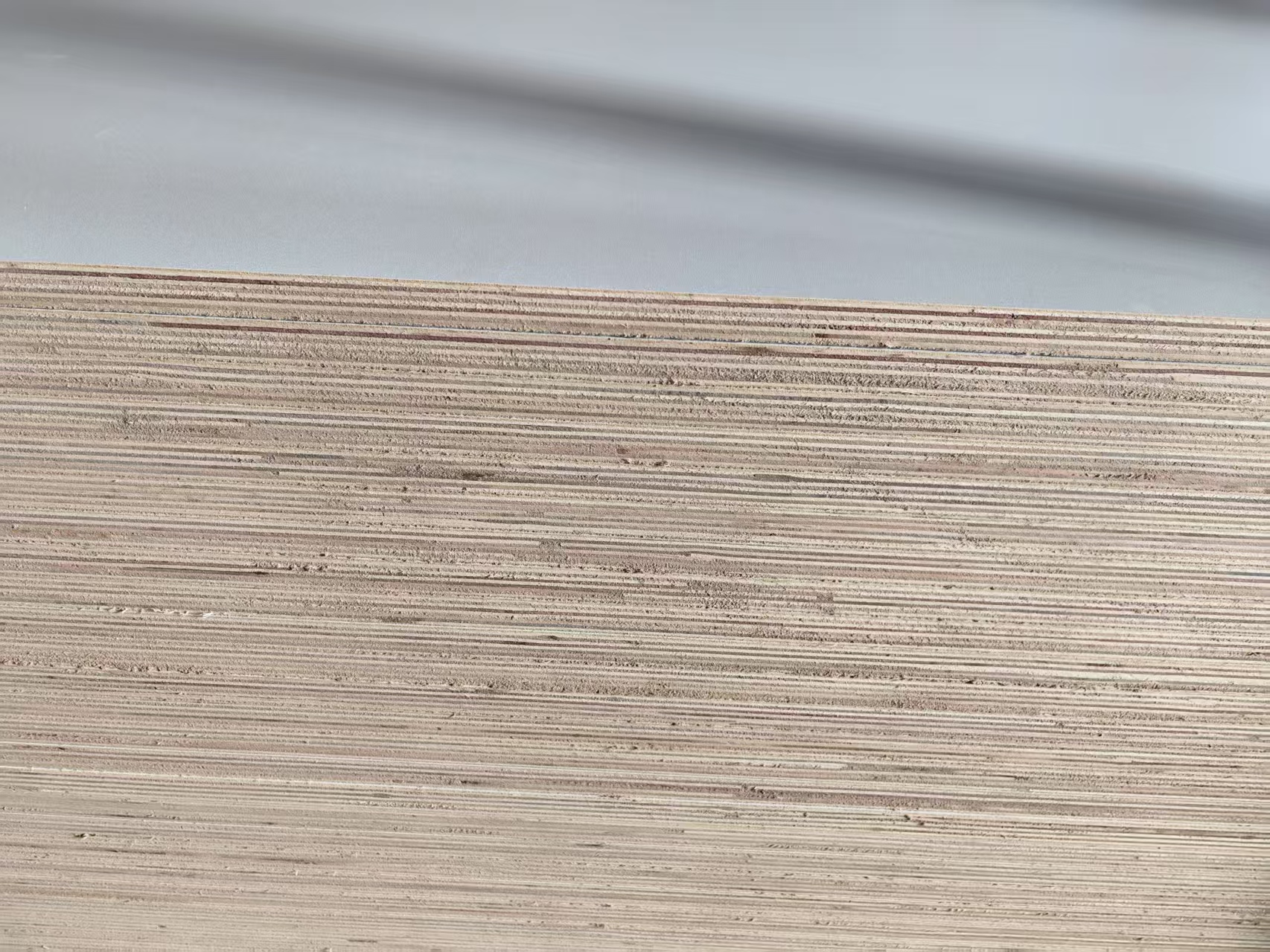
Laminated Plywood:
-
Excellent moisture resistance;
-
Highly durable surface, resistant to scratches and abrasion;
-
Strong chemical resistance;
-
Easy to process and suitable for diverse design needs.
Veneer Plywood:
-
High structural strength and stability;
-
Moderate moisture resistance, slightly lower than laminated plywood;
-
Surface quality depends on veneer material and finishing precision.
Widely used in furniture manufacturing (cabinet doors, tabletops, and panels), interior decoration (wall cladding, ceilings, flooring), and premium packaging materials for protecting fragile goods during transportation.
Commonly used in construction, shipbuilding, and as a base material for decorative panels or furniture backboards. It is ideal for load-bearing and high-stability applications.
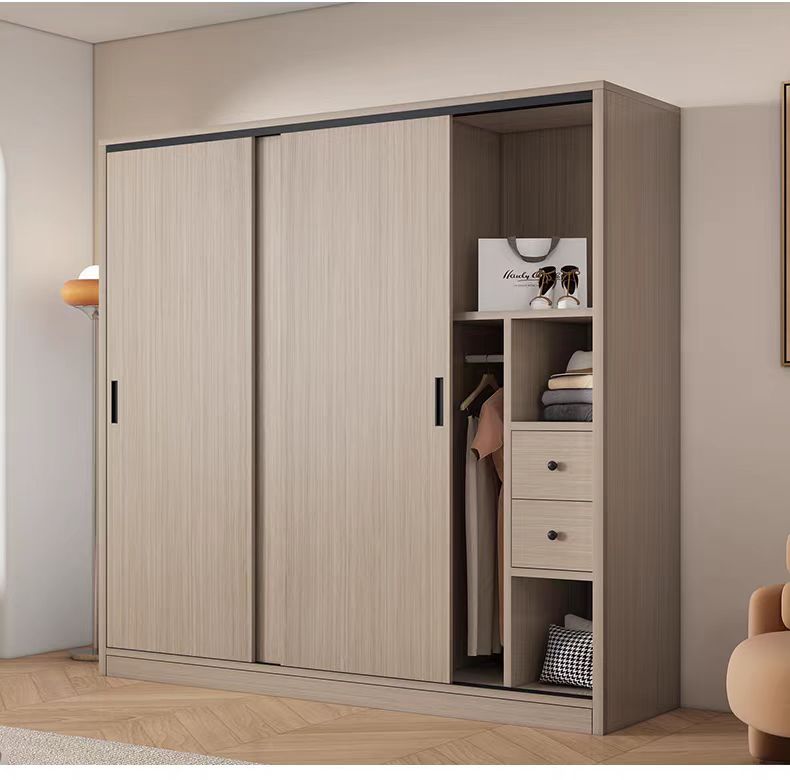
Laminated plywood excels in appearance, protection, and durability,
while veneer plywood stands out for its stability and cost-effectiveness.
Choose the right one based on your application needs, environment, and budget.