
In the furniture manufacturing and interior decoration industry, Melamine Plywood is widely used in various furniture and project applications due to its excellent decorative performance and structural stability. However, many buyers often overlook a critical factor when selecting products — differences in core material structure and glue systems can directly impact board quality, environmental performance, and service life.
This article analyzes
the key factors affecting Melamine Board/Plywood quality from two core dimensions: material classification and glue classification.
1. Material Classification: Determines Structural Stability and Performance
The core of Melamine Plywood lies in its internal base material (core). Different core combinations directly affect strength and stability.
1.1 Classified by Core Type
1) Full Poplar Core (Poplar Core)
Advantages: Lightweight, uniform structure, easy processing
Application: Cabinet bodies, interior decoration
Features: Cost-effective, suitable for most markets
2) Full Eucalyptus Core (Eucalyptus Core)
Advantages: High density, strong load-bearing capacity
Application: High-end furniture, construction projects
Features: More durable, resistant to deformation
3) Mixed Core (Mixed Core)
Advantages: Lower cost
Risks: Unstable structure, inconsistent quality
Application: Low-end or price-sensitive markets
? Impact Summary:
The more stable and uniform the core, the better the resistance to deformation and the longer the service life.
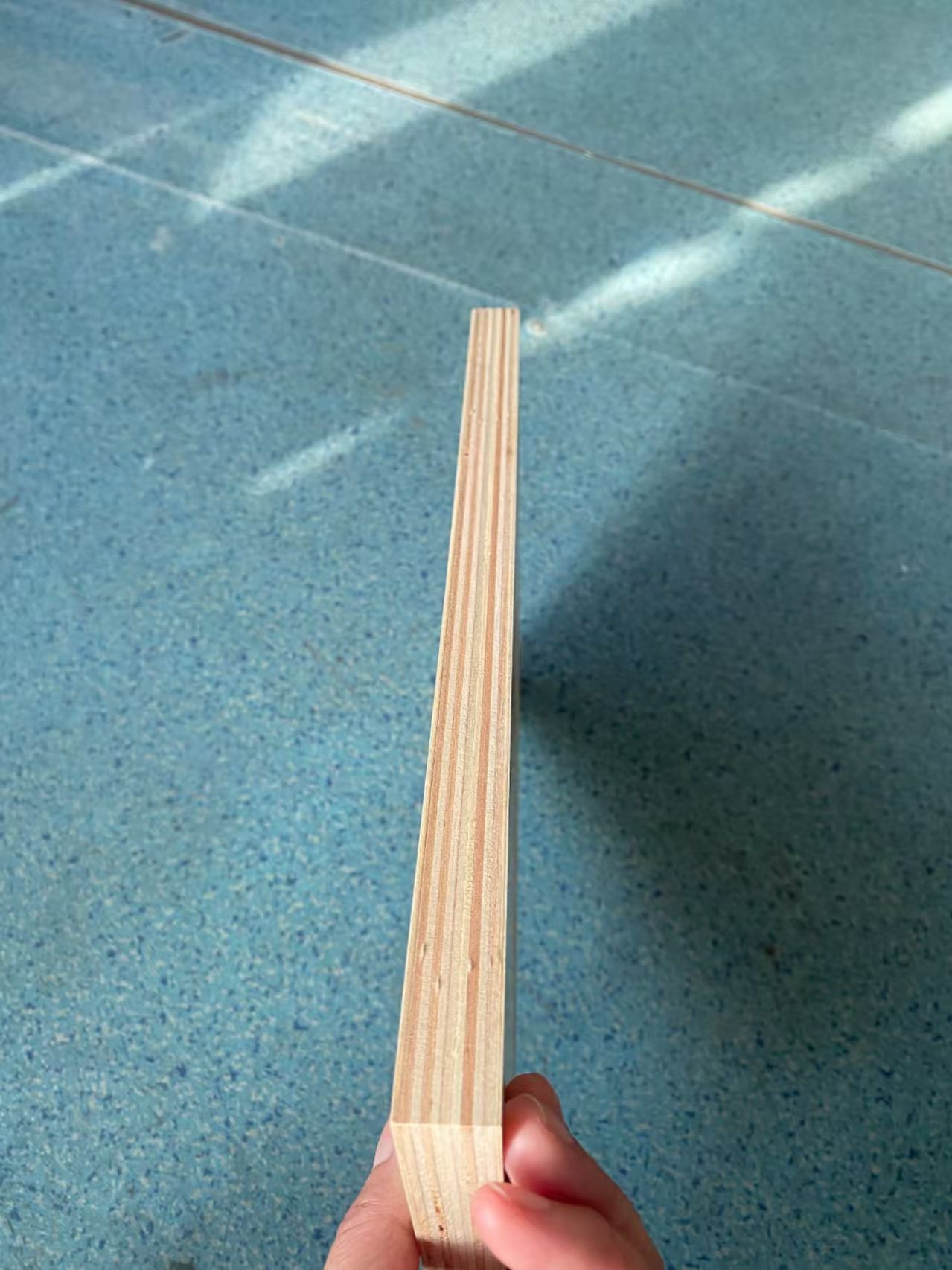
1.2 Classified by Structural Quality
Full Core: No voids, no patches, complete structure
Patching Core: Locally repaired, affects consistency
Void Core: Internal gaps, low strength
A more complete structure ensures better stability, while more voids increase the risk of cracking and deformation.
2. Glue Classification: Determines Environmental Level and Durability
Glue plays a crucial role in Melamine Plywood, affecting both environmental performance and bonding strength.
2.1 Classified by Environmental Grade
E0 Glue (Low Formaldehyde Emission)
Features: Highest environmental standard
Application: High-end furniture, interior spaces, export markets
Advantage: Safer for indoor air quality
E1 Glue (Standard Environmental Level)
Features: Meets most international standards
Application: General furniture and projects
Advantage: Balance between cost and performance
E2 Glue (Low Standard)
Features: Higher formaldehyde emission
Application: Gradually being phased out
2.2 Classified by Performance Type
E0 / E1 Glue
High environmental performance
Suitable for indoor furniture
MR Glue (Moisture-Resistant Glue)
Suitable for moderately humid environments
Phenolic Glue (WBP Glue – Weather & Boil Proof)
Excellent waterproof performance
High bonding strength
Suitable for kitchens, bathrooms, and high-end construction projects
? Conclusion:
Glue not only affects environmental safety but also determines application scenarios.
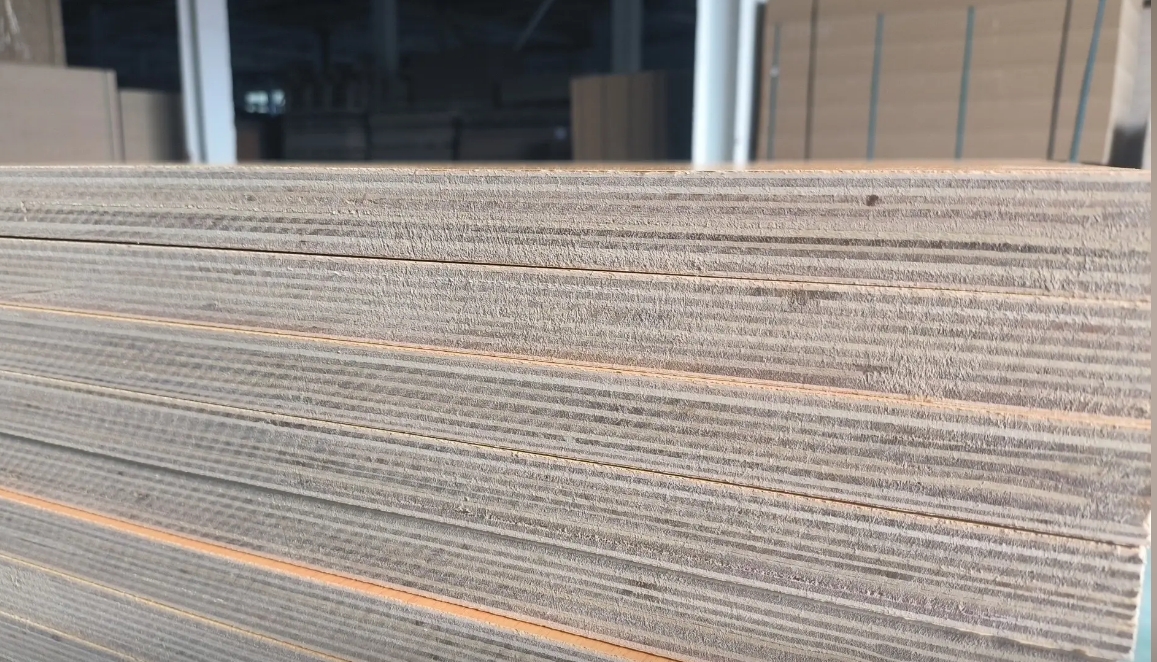
3. Thickness and Layer Structure: Key to Strength and Stability
Many buyers focus only on thickness, but layer structure is equally critical.
3.1 Common Thickness Range:
5mm / 9mm / 12mm / 15mm / 18mm
3.2 Corresponding Layer Structure (Example):
5mm → 3 / 5 layers
9mm → 5 / 7 layers
15mm → 9 / 11 layers
18mm → 9 / 11 layers
3.3 Importance of Layers:
More layers → Better structural stability
Thinner individual veneers → More even stress distribution
Reduced risk of warping and cracking
For the same 18mm thickness:
9 layers → Lower cost, average stability
11 layers → Higher strength, better durability
Layer count is a more accurate indicator of quality than thickness alone.

4. Combination of Materials and Glue Determines Final Quality
A high-quality Melamine Plywood panel is not just about surface appearance, but the combination of core + glue + process:
Eucalyptus core + E0 glue → Premium eco-friendly furniture
Full poplar core + E1 glue → Stable mainstream application
High-grade core + Phenolic (WBP) glue → Waterproof and heavy-duty applications
Low-grade core + low-quality glue → High risk, not recommended
? Key Conclusion:
Core determines structure, glue determines performance and safety — together they define product value.
5. How Do We Ensure High Standard Production?
We implement a strict quality control system above industry standards:
Carefully selected poplar and eucalyptus core materials
Strict control of glue systems (E0 / E1 / WBP phenolic)
Advanced hot-pressing technology for strong bonding
Multi-stage inspection to eliminate voids and delamination
Final inspection before shipment to meet export standards
We provide not only products, but consistent and reliable quality assurance.
6. Conclusion
In today’s competitive market, the selection of Melamine Plywood has shifted from price-driven to quality- and performance-driven decisions.
Choosing the right core + the right glue is the key to improving product competitiveness and service life.